
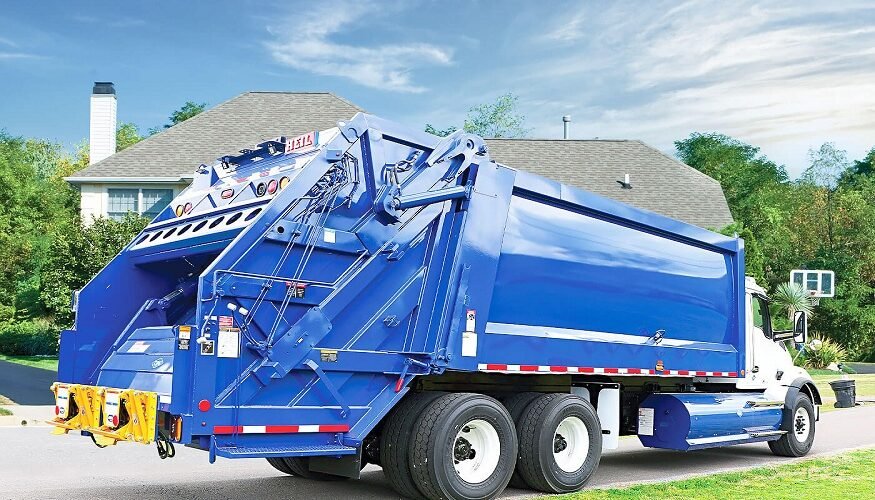
Waste collection is a demanding operation that requires specialized vehicles, trained employees, and carefully organized schedules. Refuse trucks must handle different types of waste while operating through residential neighborhoods, commercial facilities, and municipal service areas. Heavy loads, frequent stops, and repeated loading activities place considerable demands on vehicle systems. McNeilus refuse trucks provide different configurations designed to support these challenging collection environments.
Managing Heavy Waste Loads
One of the main responsibilities of a refuse truck is collecting and transporting waste from different locations. The vehicle must have an appropriate body capacity and chassis configuration for the materials being handled.
Heavy waste loads can place stress on the suspension, tires, brakes, and structural components. Fleet managers should ensure that vehicles operate within their specified weight limitations.
Read More : How McNeilus Trucks Improve Efficiency in Refuse Collection
McNeilus refuse trucks are available in different configurations that businesses can evaluate according to their collection requirements. Selecting a suitable vehicle helps companies manage demanding workloads while following applicable vehicle specifications.
Handling Frequent Collection Stops
Residential waste collection often involves frequent stops along neighborhood streets. Drivers must position their vehicles carefully, allow loading activities to take place, and move safely between collection points.
These repeated movements can increase wear on brakes, tires, and other vehicle systems. Proper maintenance is therefore important for maintaining dependable performance.
Rear loader refuse trucks are commonly considered for residential collection applications because their loading arrangement supports different container and collection methods.
Companies should evaluate route conditions, container placement, and crew requirements before assigning these vehicles to specific service areas.
Supporting Different Collection Environments
Commercial and residential collection environments have different operational challenges. Commercial routes may involve larger containers and heavier waste volumes, while residential routes often require more frequent stops and maneuvering through smaller streets.
McNeilus offers front-loader, rear-loader, and side-loader configurations for different collection applications.
Front loaders are commonly associated with commercial container collection. Rear loaders can support residential and certain commercial services. Automated side loaders can help collect compatible curbside containers.
Selecting the right configuration allows waste management companies to match vehicle capabilities with the demands of their customers.
Using Hydraulic Systems for Repeated Operations
Hydraulic systems provide the power needed for many refuse truck functions. These systems may operate lifting equipment, compactors, and other mechanical components.
Because waste collection requires repeated equipment movements, hydraulic components must be maintained properly.
Technicians should inspect fluid levels, hoses, cylinders, seals, and connections. Any signs of leaks or inconsistent movement should be investigated.
Regular servicing helps maintain system performance and reduces the possibility of unexpected equipment interruptions.
Managing Waste Through Compaction Equipment
Compaction equipment helps make effective use of available space inside a refuse truck. It moves collected material into the body and supports the handling of waste during collection activities.
The performance of compaction equipment depends on the vehicle configuration, material characteristics, operating procedures, and maintenance condition.
Operators should follow recommended procedures and avoid using equipment beyond its intended limits. Maintenance teams should inspect moving components and hydraulic systems regularly.
Proper equipment care supports consistent collection performance and helps reduce unnecessary wear.
Maintaining Performance on Difficult Routes
Waste collection vehicles may operate through narrow streets, uneven roads, busy commercial areas, and locations with restricted access.
The vehicle’s dimensions, turning requirements, chassis configuration, and loading arrangement can influence how effectively it handles these environments.
Businesses should evaluate route conditions before selecting a truck. A vehicle suitable for a large commercial property may not be appropriate for every residential neighborhood.
McNeilus configurations provide different options that fleet managers can compare according to their operating conditions.
Preparing Rear Loading Equipment for Demanding Work
Rear loading systems are used in many residential and commercial waste collection applications. They allow waste to enter the collection body through the rear loading area.
Businesses operating rear loader refuse trucks should inspect the rear loading mechanism, compaction equipment, hydraulic components, and related safety systems.
Collection crews should understand safe loading procedures and report equipment irregularities immediately.
Regular cleaning and servicing can help prevent accumulated debris and mechanical wear from affecting equipment performance.
Supporting Reliable Fleet Maintenance
Demanding collection tasks increase the importance of preventive maintenance. Fleet managers should create servicing schedules that account for vehicle usage, operating conditions, and manufacturer recommendations.
Common maintenance areas include brakes, tires, hydraulic equipment, electrical systems, suspension components, and collection bodies.
Replacement components should always be selected according to the vehicle’s specifications. Technicians should verify model information and part numbers before completing repairs.
Ten-8 Industrial provides McNeilus refuse and recycling vehicle parts, maintenance, and service support in Alabama, Florida, Georgia, and Mississippi. Businesses within its dealership territory can evaluate these services when planning repairs and ongoing equipment care.
Improving Operator Safety
Refuse truck operators work around moving equipment, heavy containers, traffic, and pedestrians. Safe operation requires proper training and consistent attention.
Drivers should understand the vehicle’s controls, warning systems, visibility features, and operating limitations.
Collection crews should follow established procedures when working near lifting mechanisms and moving vehicles. Regular safety inspections help identify damaged lights, faulty alarms, and other potential concerns.
A well-trained workforce can help reduce operating risks and support more organized collection activities.
Conclusion
McNeilus refuse trucks are designed for different waste collection applications that involve heavy loads, repeated loading activities, and demanding road conditions. Their ability to support these tasks depends on selecting the appropriate configuration and maintaining the vehicle properly.
Read More : A Complete Guide to Choosing the Right Galbreath Roll Off Equipment
Businesses operating rear loader refuse trucks should pay particular attention to the rear loading mechanism, hydraulic equipment, and compaction system. Regular inspections, trained operators, and access to appropriate service support help maintain reliable operations. Ten-8 Industrial provides relevant McNeilus vehicle and maintenance support within its authorized territory, helping customers manage their refuse collection equipment requirements.