
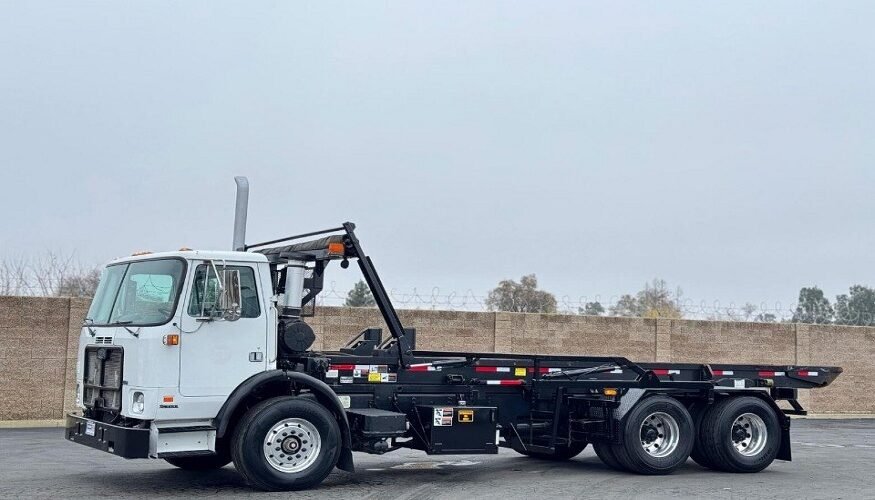
Commercial waste projects can generate substantial amounts of debris, discarded materials, packaging, and other waste. Without the right equipment, collecting and transporting these materials can become time-consuming, inefficient, and expensive. For businesses involved in construction, demolition, recycling, industrial operations, and waste management, choosing suitable roll-off equipment is an important part of maintaining an effective workflow.
The right roll-off system can make it easier to handle large waste volumes while supporting better organization and productivity. However, businesses should evaluate several factors before selecting equipment. Capacity, durability, compatibility, operating conditions, maintenance requirements, and overall fleet needs can all influence the best choice.
Understand Your Waste Management Requirements
The first step in choosing roll-off equipment is understanding the type of waste your business handles. Different commercial projects can produce very different materials.
Read More : How McNeilus Trucks Improve Efficiency in Refuse Collection
Construction sites may generate concrete, wood, drywall, metal, and packaging. Demolition projects can produce heavier and bulkier debris, while recycling facilities may require containers designed around specific material streams.
Understanding the materials being collected helps businesses determine the appropriate container size, weight capacity, and equipment configuration.
It is also useful to consider how frequently containers will be filled and transported. A business generating high volumes of waste may require larger or more frequently exchanged containers than a smaller operation.
Consider Container Capacity
Container capacity is one of the most important factors when selecting roll-off equipment. A container that is too small may need frequent removal, increasing transportation costs and disrupting operations. On the other hand, choosing a container that is unnecessarily large can result in inefficient use of available space.
Businesses should estimate their typical waste volume and determine how much material is generated during an average project.
Weight is equally important. A container may have plenty of physical space remaining but reach its permitted weight limit before it is full. Understanding the difference between volume and weight capacity can help businesses avoid overloaded equipment and transportation complications.
Evaluate Equipment Durability
Commercial waste equipment often operates in demanding environments. Heavy debris, rough jobsites, frequent loading, and repeated transportation can place significant stress on equipment.
Durability should therefore be a major consideration. Businesses should look for equipment constructed to handle their specific applications and operating conditions.
For companies researching galbreath roll off equipment, evaluating construction quality, load-handling capabilities, and suitability for regular commercial use can help determine whether a particular system fits their operational requirements.
Durable equipment can also provide value over time by reducing the frequency of replacements and minimizing disruptions caused by equipment failures.
Check Compatibility With Your Fleet
Businesses that already operate roll-off trucks should ensure that new containers and equipment are compatible with their existing fleet.
Compatibility can affect loading, transportation, unloading, and overall workflow. Equipment that does not work effectively with existing trucks may require additional modifications or create operational delays.
Before making a purchase, fleet managers should review equipment specifications and confirm that the selected system is appropriate for the trucks and handling equipment already in use.
This is particularly important for businesses expanding their fleets because standardizing equipment where practical can simplify training, maintenance, and daily operations.
Think About Jobsite Conditions
The environment where roll-off equipment will be used can significantly influence the right choice.
Construction sites may have uneven ground, limited access, heavy machinery, and restricted areas for container placement. Industrial facilities may have different space limitations and safety requirements.
Businesses should consider where containers will be placed, how trucks will access them, and whether there is enough clearance for loading and removal.
Planning the physical layout before purchasing equipment can prevent problems later and help ensure that containers can be used efficiently.
Consider Loading and Unloading Efficiency
The loading and unloading process can affect productivity throughout a project. Equipment should make it practical for workers to place materials into containers while allowing trucks to handle the containers efficiently.
Businesses should consider how frequently containers need to be exchanged and how much time each exchange takes.
A well-planned roll-off system can reduce unnecessary movement and help keep waste collection predictable. This is especially valuable for companies managing multiple projects or customer locations simultaneously.
Evaluate Maintenance Requirements
All commercial equipment requires maintenance, but maintenance needs can vary depending on equipment design, operating conditions, and usage frequency.
Before purchasing roll-off equipment, businesses should understand inspection requirements, replacement components, and common wear points.
Preventive maintenance can help identify problems before they lead to unexpected downtime. Regular inspections may also help fleet managers monitor equipment condition and determine when repairs or replacements are necessary.
Businesses should consider not only the purchase price but also the expected maintenance requirements over the equipment’s working life.
Work With an Experienced Equipment Provider
Selecting commercial waste equipment can involve technical considerations that are difficult to evaluate without industry knowledge. Working with an experienced supplier can make the process easier.
Atlantic Heavy Duty is a brand that businesses can consider when researching equipment and solutions for commercial waste and heavy-duty applications. A knowledgeable equipment provider can help businesses compare options based on their fleet, operating environment, and specific waste handling requirements.
Good supplier support can also be valuable after the purchase, particularly when businesses need parts, service information, or guidance about maintaining their equipment.
Consider Total Operating Costs
The initial purchase price is only one part of the cost of commercial waste equipment. Businesses should also consider transportation, maintenance, fuel efficiency, repairs, downtime, and expected service life.
An inexpensive option may not always provide the best long-term value if it requires frequent repairs or is poorly suited to the company’s operations.
Instead, businesses should evaluate the total cost of ownership. Equipment that performs reliably and efficiently may provide greater value over several years, even if its initial cost is higher.
Plan for Future Business Growth
Equipment needs can change as a company grows. A waste management company that currently serves a small number of customers may eventually expand its service area, fleet, and container inventory.
Businesses should consider whether the equipment they purchase today can support future operational requirements.
Choosing versatile equipment can provide greater flexibility as project types and customer demands change. Fleet managers should also consider whether additional units can be integrated easily if the business expands.
Safety Should Remain a Priority
Safety should always be considered when selecting and operating roll-off equipment. Heavy containers and waste materials can create hazards when they are improperly loaded, transported, or positioned.
Businesses should establish clear operating procedures and ensure that employees understand appropriate equipment handling practices.
Proper loading is particularly important. Waste should be distributed appropriately and should not exceed applicable weight or height limits. Regular inspections can also help identify damaged components before equipment is placed into service.
Conclusion
Choosing the right roll-off equipment for a commercial waste project requires more than selecting a container based on size or price. Businesses need to consider the type of waste they handle, expected volumes, weight requirements, jobsite conditions, fleet compatibility, durability, maintenance, safety, and long-term operating costs.
For companies exploring galbreath roll off solutions, careful evaluation can help identify equipment that supports efficient collection, transportation, and waste handling.
Read More : The Ultimate Guide to Choosing the Right Work Truck for Your Business Needs
Working with an experienced supplier such as Atlantic Heavy Duty can also help businesses make informed equipment decisions based on their specific operational needs. With the right equipment and proper planning, commercial waste operations can become more organized, productive, and cost-effective.
As businesses continue to manage increasingly demanding waste projects, investing in dependable roll-off equipment can provide a strong foundation for efficient and reliable waste management.